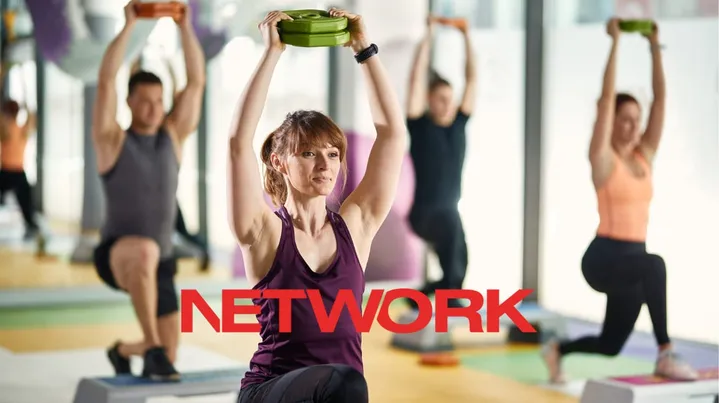

To Plyo, or Not to Plyo..?
Plyometric Training: Benefits & Risks
Plyometric exercises like jump squats and skater jumps boost power, speed, and athletic ability by targeting fast-twitch muscle fibers. They also improve coordination, agility, and cardiovascular fitness.
However, these high-impact moves can strain the joints if done with poor form or too soon in a training journey. Gradual progression, proper warm-up, and recovery are essential for safety.
When approached with care, plyometric workouts can elevate your overall fitness. Beginners should stick to low-impact versions 1–2 times per week while focusing on proper technique and recovery.
Safety Brief
- Start slow: Begin with 1–2 rounds and lower-impact variations.
- Surface matters: Use a mat or soft surface to protect joints.
- Form first: Don’t sacrifice form for speed or reps.
- Listen to your body: If you feel sharp pain or joint discomfort, stop.
- Hydrate and rest: Keep water nearby and allow at least 48 hours between plyo sessions.
Beginner Plyometric Workout Matrix
| Exercise | Reps/Time | Focus Area |
|---|---|---|
| Warm-Up (5 min total) | ||
| Jumping Jacks | 1 minute | Full-body activation |
| Bodyweight Squats | 1 minute | Legs & glutes |
| Arm + Hip Circles | 1 minute | Mobility & joint prep |
| Walking Lunges | 2 minutes | Lower body & balance |
NOTE: If you are unsure about any exercise, speak to a fitness professional for guidance.
Conclusion
Adding plyometric exercises to your weekly fitness routine can significantly improve your strength, agility, and cardiovascular health. For beginners, the key is to ease in gradually with low-impact, bodyweight-based moves. With proper technique, rest, and consistency, plyo training can become a safe and powerful tool in your fitness journey.